
The Enemy’s Mind Under Pressure
The Book of Five RingsThis thread traces the contest over attention and expectation as each fighter tries to unsettle, redirect, or understand the other.
increasing Bearing strength in each event
 decreasing
Bearing strength in each eventdecreasingUncertain Intention
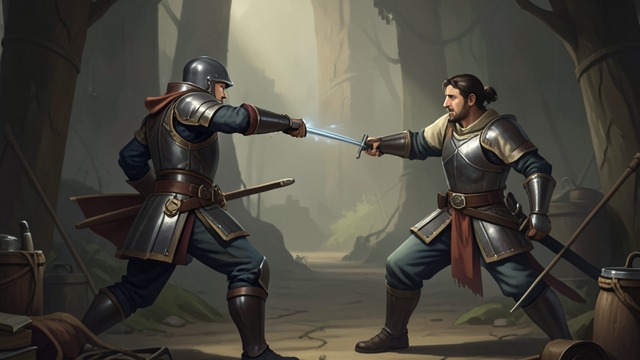
Moving the Shade
Drawing Out a Response
If the enemy’s intention is hidden, Musashi advises showing an attack to make the opponent reveal resources or a sword position.
Information as Advantage
The feint matters because it changes what can be known. Once the opponent discloses an intention, the strategist can choose a more decisive response.
Pressing a Visible Intention
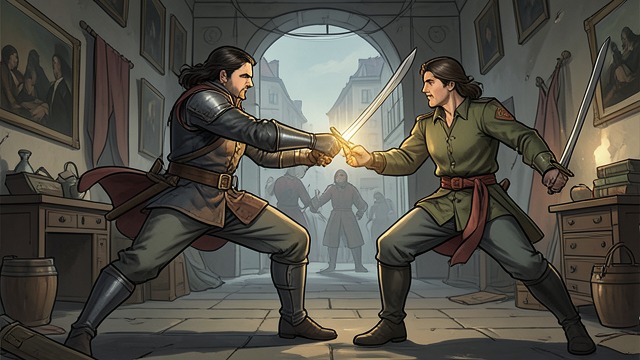
Holding Down a Shadow
Suppressing Resolve
When the enemy’s intention can be seen, the strategist can make a show of suppressing it and prompt a change of mind. The pressure is directed at the opponent’s decision as much as the weapon.
Changing the Answer
Musashi advises altering one’s own spirit and taking the lead again. Reading an intention is useful only when it produces a timely action.
Passing Calm Across
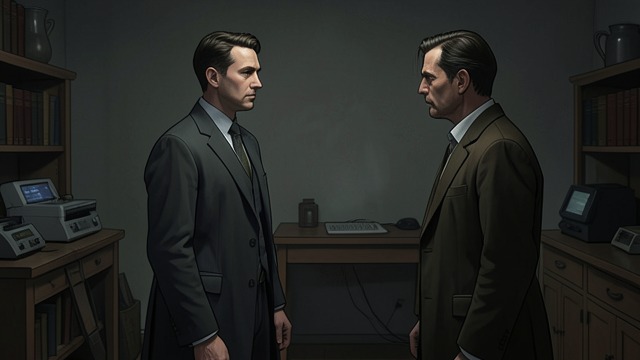
Transferring a State
Refusing Contagion
Musashi says the strategist should remain calm rather than absorb the enemy’s agitation. Calmness can make the opponent’s spirit relax or shift.
Attacking After the Shift
Once the change has passed to the enemy, a rapid attack can seize the moment. Emotional steadiness becomes a way to influence the rhythm of conflict.
Creating Imbalance
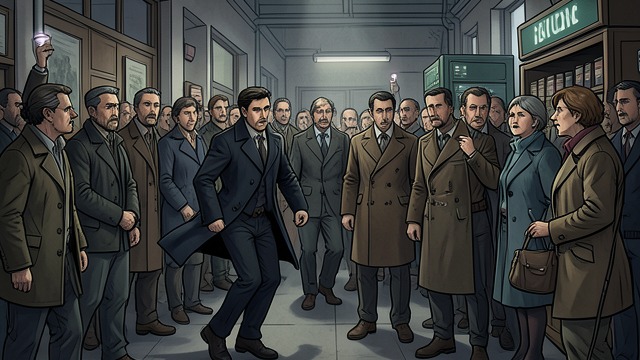
Breaking Equilibrium
Surprise and Hardship
Danger, difficulty, and surprise can disturb an opponent’s balance. Musashi recommends attacking where the enemy does not expect it and continuing while their spirit remains undecided.
Seizing the Breathless Moment
A sudden change of pace denies time to recover. The contest turns on recognizing when uncertainty has become vulnerability.
Confusing the Rhythm
Varied Actions
Feint and Reversal
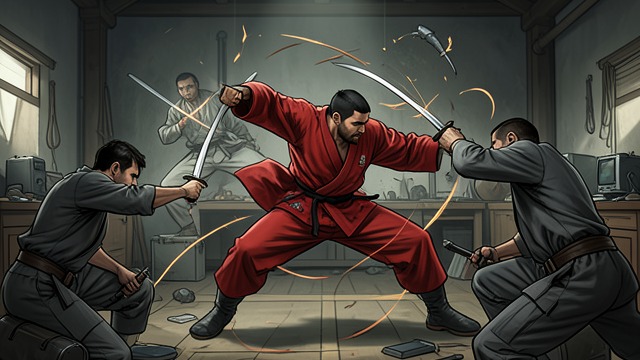
Musashi describes mixing thrusts, cuts, and apparent advances to make the opponent unsure what is coming. Confusion disrupts the enemy’s ability to settle into a reliable response.
A Route to Victory
Variety is valuable when it serves a purpose, not as ornament. Once the opponent loses resolve, the strategist can take advantage of the broken rhythm.
When the enemy’s spirit cannot be read
When the opponent’s attack becomes apparent
When an opponent is agitated and rushing
After an unexpected disturbance
When a direct contest has become predictable
